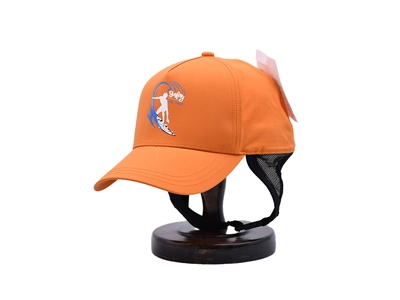
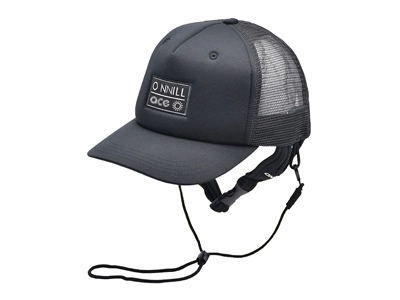
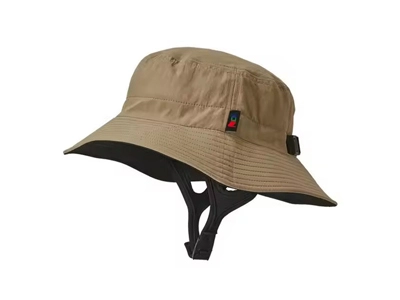
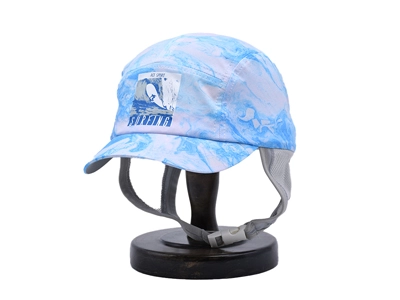
Equip adventurers with high-performance surf hats, crafted from UPF 50+ fabrics and quick-dry materials for sun protection and saltwater resilience. Adjustable chin straps and breathable designs ensure secure comfort during surfing, beach days, or coastal events. Bold logos, tropical prints, or minimalist embroidery turn wearers into mobile billboards across oceanside markets and surf communities. Ideal for sportswear brands, eco-tourism promotions, or festival giveaways. Customize colors, patterns, and sustainable materials to mirror your brand’s adventurous spirit. Fast production and global shipping make your logo synonymous with sun, surf, and reliability worldwide.
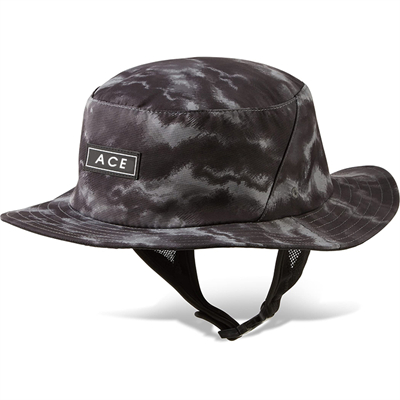
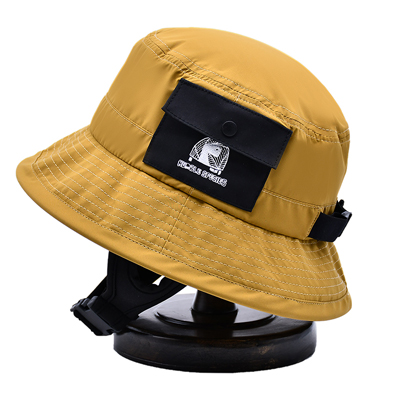
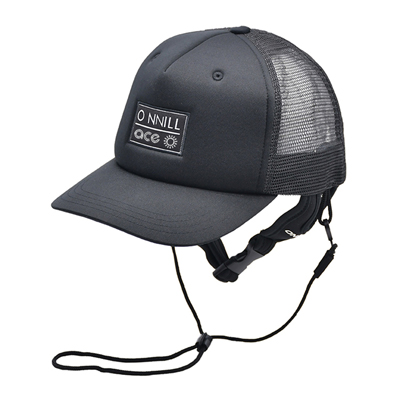
Selecting a reliable surf hat supplier is critical for quality, sustainability, and brand alignment. Follow these steps to make an informed decision:
1. Assess Expertise & Specialization
Industry Experience: Prioritize suppliers with proven experience in surf/outdoor gear. They should understand technical needs like UPF 50+ fabrics, quick-dry materials, and saltwater resistance.
Portfolio Review: Check if they’ve produced similar products (e.g., rash guard hats, chin strap designs) for reputable brands.
2. Verify Certifications & Compliance
Material Safety: Ensure fabrics meet OEKO-TEX Standard 100 for harmful substance-free production.
Sustainability: Opt for suppliers offering recycled polyester or RPET options to align with eco-goals.
Ethical Standards: Confirm BSCI or SMETA audits for fair labor practices.
3. Test Customization Capabilities
Design Flexibility: Can they execute sublimated prints, laser-cut ventilation holes, or waterproof embroidery?
Sampling Process: Request physical samples to test fit, UV protection, and durability in real conditions.
4. Evaluate Production & Logistics
Turnaround Time: Ensure they can meet deadlines (ideally 4–6 weeks) even during peak seasons.
Quality Control: Ask about inspection protocols (e.g., stitch strength, colorfastness, UV testing).
Shipping Options: Partner with suppliers offering FOB/DDP terms and experience in your target markets (e.g., US, EU, Australia).
5. Negotiate Transparent Costs
Breakdown Clarity: Avoid hidden fees by demanding detailed quotes (materials, labor, shipping).
Bulk Discounts: Secure tiered pricing for orders exceeding 500+ units.
Payment Terms: Favor suppliers offering 30% deposit, 70% balance post-inspection.
Red Flags to Avoid
Vague Communication: Poor responsiveness signals future operational risks.
No Compliance Docs: Lack of certifications may lead to customs/reputation issues.
Overpromising: Unrealistic timelines or pricing often indicate inexperience.
Pro Tip: Build long-term partnerships by aligning with suppliers who share your brand’s values (e.g., sustainability, innovation). Start with a trial order to gauge reliability before scaling.
By focusing on technical expertise, ethical practices, and scalable solutions, you’ll secure a supplier that elevates your surf hat line’s performance and appeal.
Choosing between surf hats and bucket hats for resale depends on your target audience, market trends, and profit goals. Here’s a detailed comparison to guide your decision:
1. Surf Hats
Key Features:
Function-Driven: Designed for water sports with UPF 50+ sun protection, quick-dry fabrics (nylon/spandex), and chin straps for wind resistance.
Technical Appeal: Ideal for surf schools, beach resorts, or outdoor brands.
Customization: Sublimated ocean-themed prints, reflective logos, or mesh ventilation panels.
Resale Advantages:
Niche Demand: Steady sales in coastal regions or summer seasons.
Higher Margins: Technical features justify premium pricing.
Loyal Clientele: Attracts repeat buyers in surfing/outdoor communities.
Limitations:
Seasonal: Peaks in warmer months; slower winter sales.
Specialized Audience: Less versatile than bucket hats for casual wear.
2. Bucket Hats
Key Features:
Fashion-Forward: Timeless, unisex design popular in streetwear, festivals, and retro fashion.
Material Variety: Cotton, denim, recycled polyester, or waterproof options.
Customization: Embroidery, patchwork, or all-over prints for bold branding.
Resale Advantages:
Year-Round Appeal: Suitable for all seasons and climates.
Broad Audience: Appeals to Gen Z, fashion retailers, and corporate gift markets.
Trend Resilience: Consistently reimagined in viral trends (e.g., Y2K revival).
Limitations:
Competitive Market: Saturated with low-cost options; differentiation is key.
Lower Price Points: Basic designs may yield slimmer margins unless branded as premium.
Key Considerations for Resellers
Target Market: Surf hats suit coastal/outdoor niches; bucket hats thrive in urban fashion.
Profit Strategy: Pair surf hats with complementary gear (rash guards, sunglasses). Market bucket hats as standalone fashion staples.
Sustainability: Offer recycled-material options for both styles to attract eco-buyers.
Hybrid Approach: Stock both! Highlight surf hats for functionality-driven buyers and bucket hats for trend-focused consumers. Use limited-edition designs to test demand.
Final Tip: Partner with suppliers offering low MOQs and fast customization for both styles to minimize risk and maximize market adaptability.
By aligning inventory with regional trends and customer preferences, you’ll optimize resale success in either (or both!) categories.
Surf School (Bali):
"Quick-dry nylon hats with chin straps survived daily saltwater use. UPF 50+ and reflective logos improved safety for our beginners. Zero complaints in 6 months!"
Coastal Retailer (Florida):
"Recycled PET surf hats flew off shelves! The sublimated wave designs didn’t fade, and the foldable brims were perfect for tourists. 30% sales boost!"
Adventure Tour Co. (Costa Rica):
"Your hats’ drainage grommets and odor-control tech were game-changers for multi-day trips. Clients bought extras as souvenirs – now a core revenue stream."

 English